
Groom Turban
(282 results)


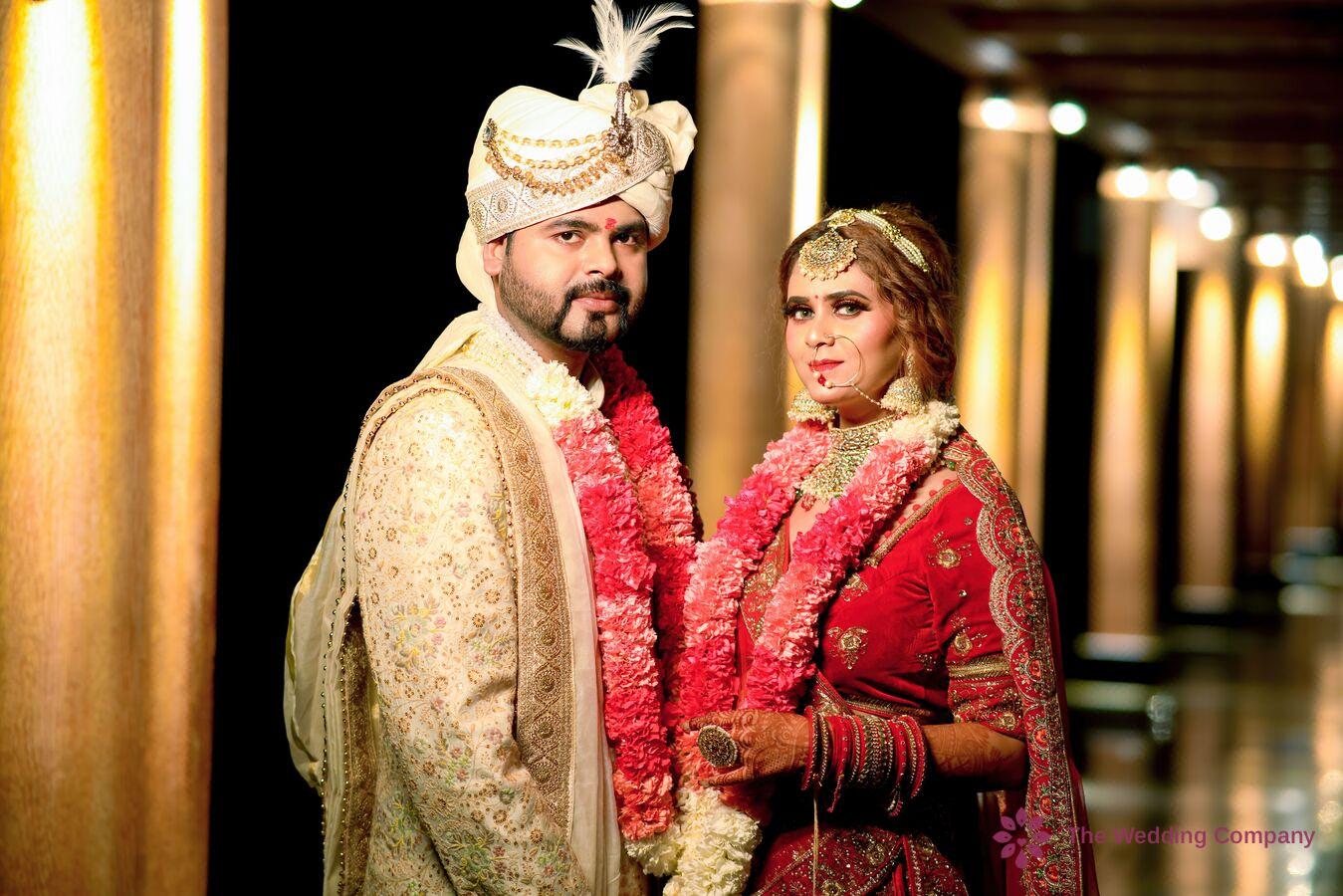
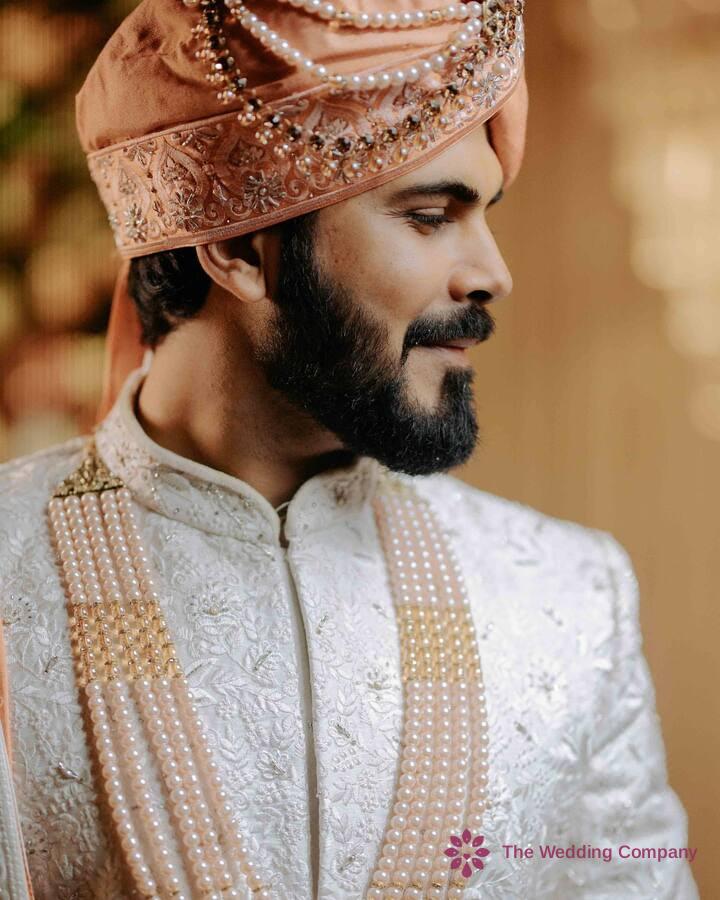

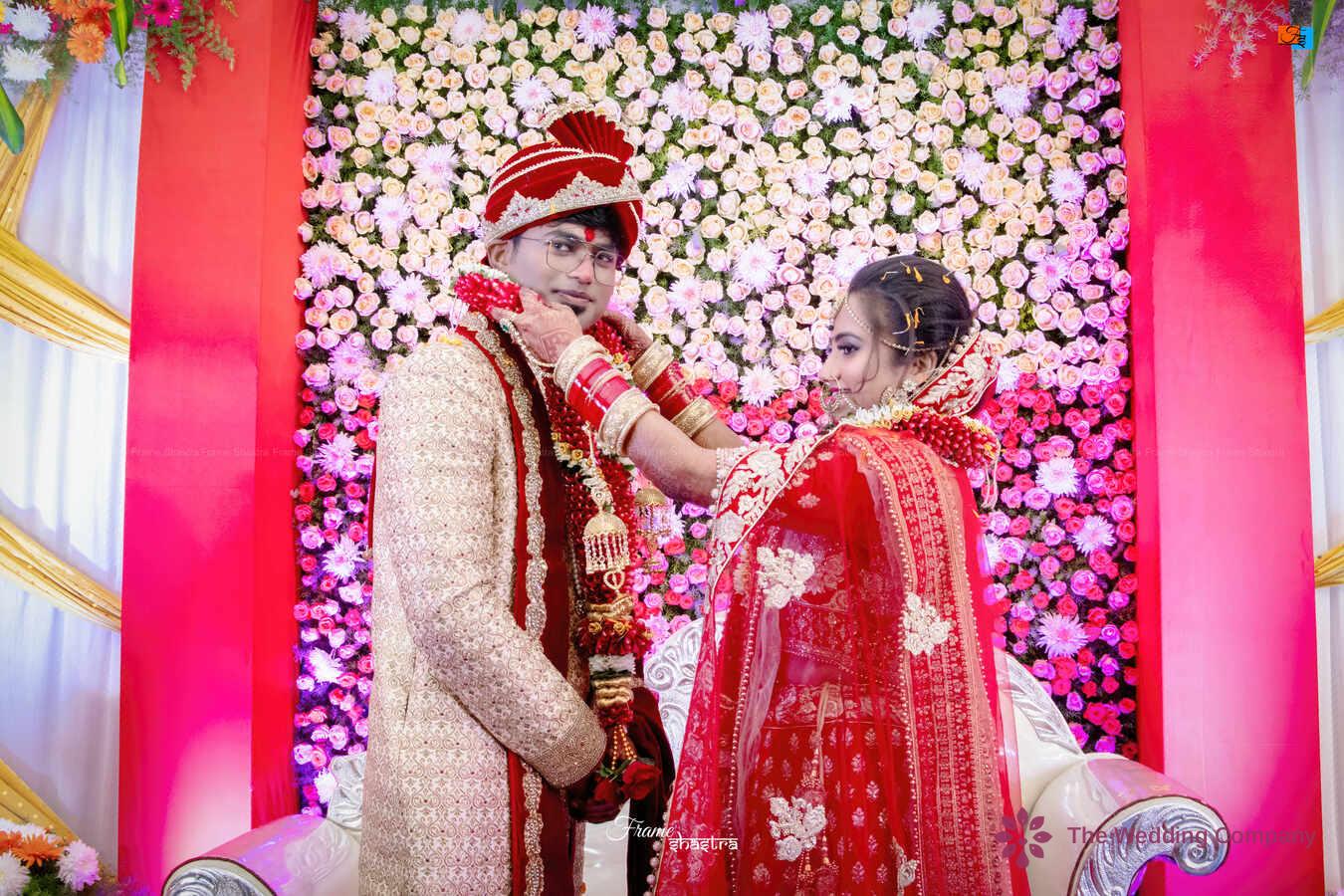
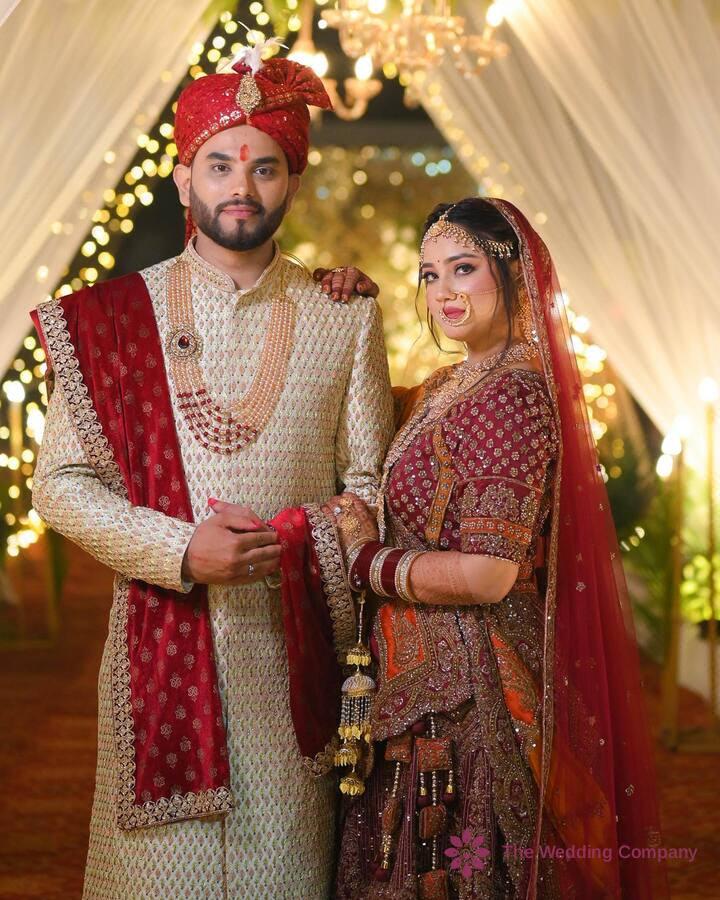
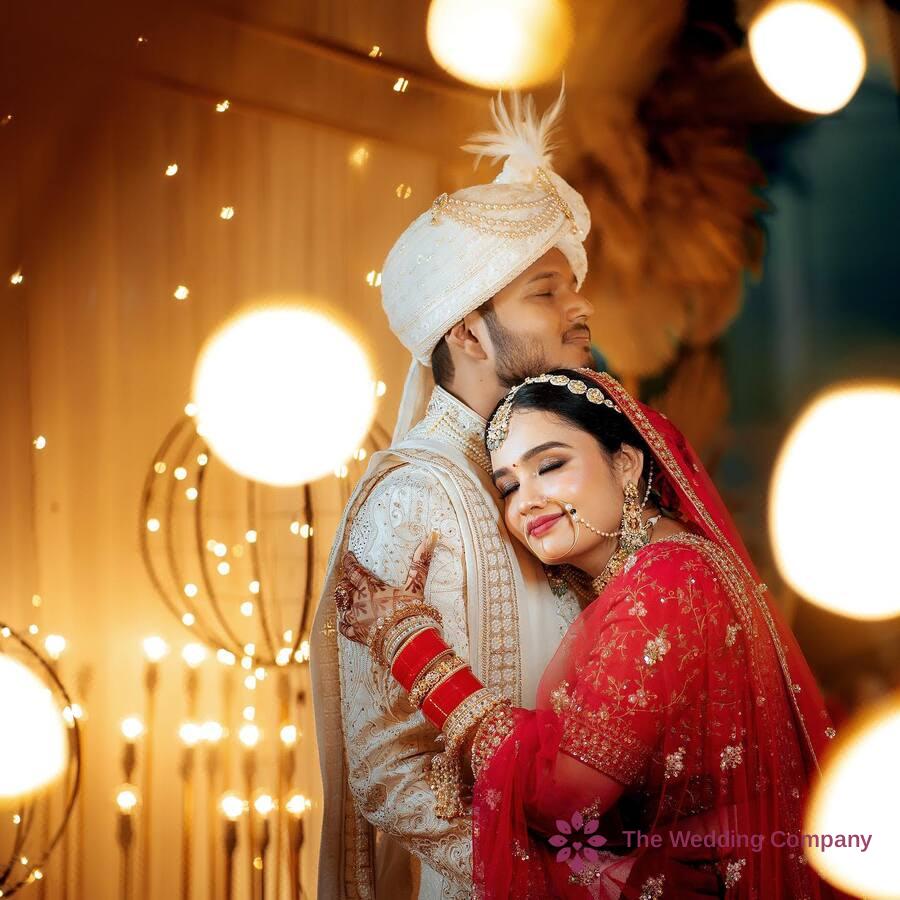
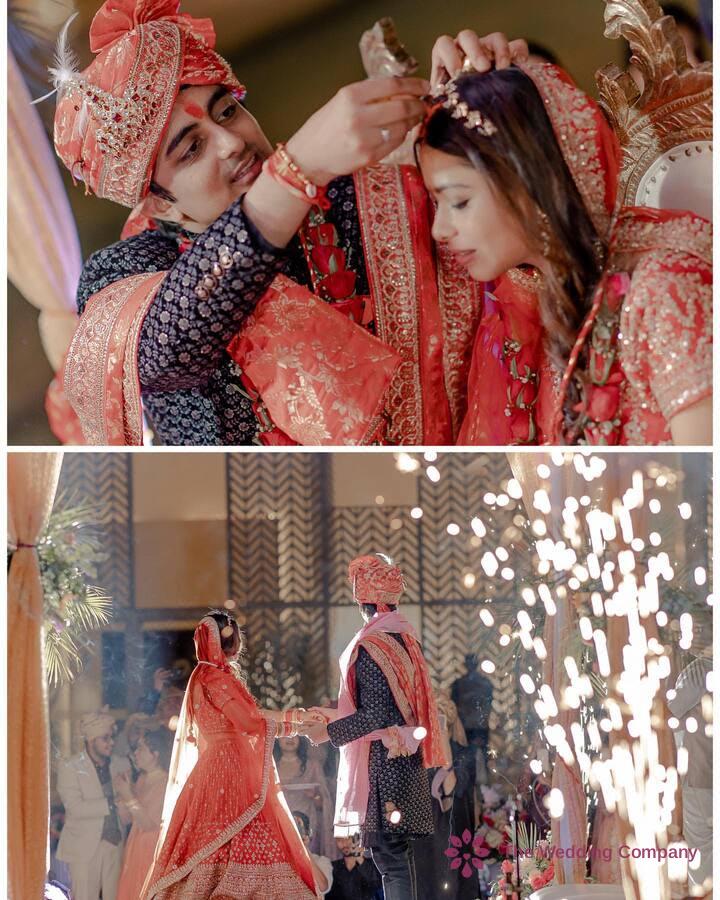

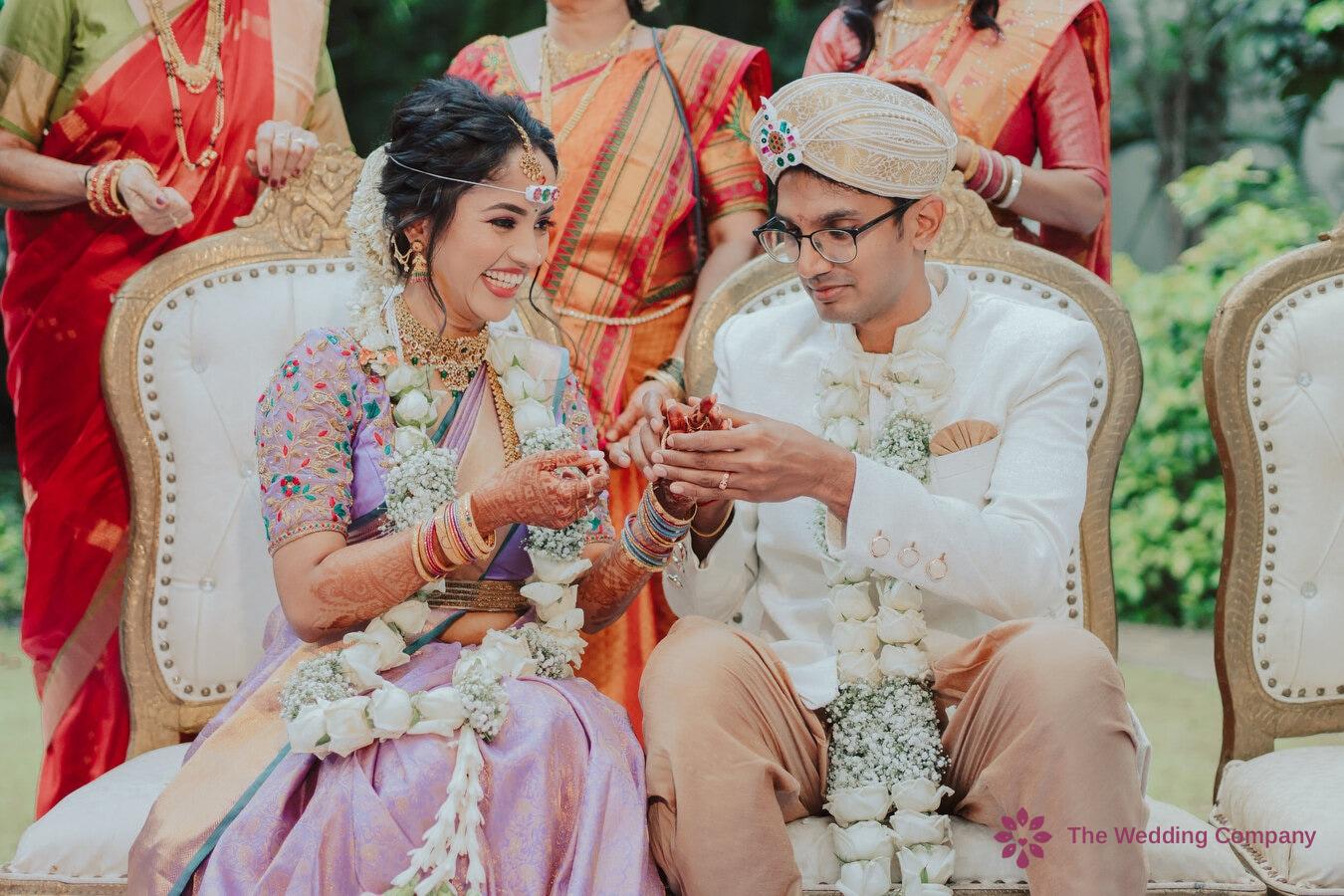
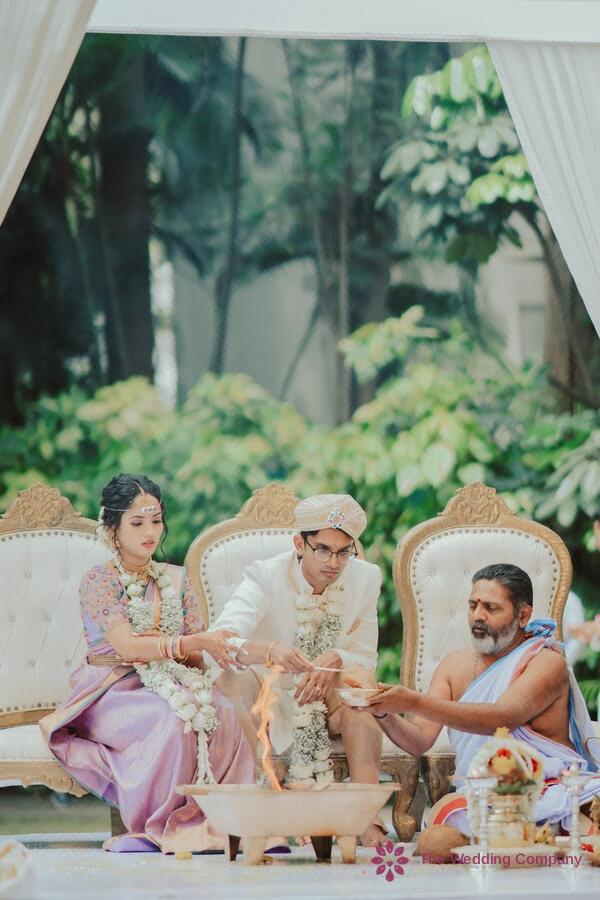
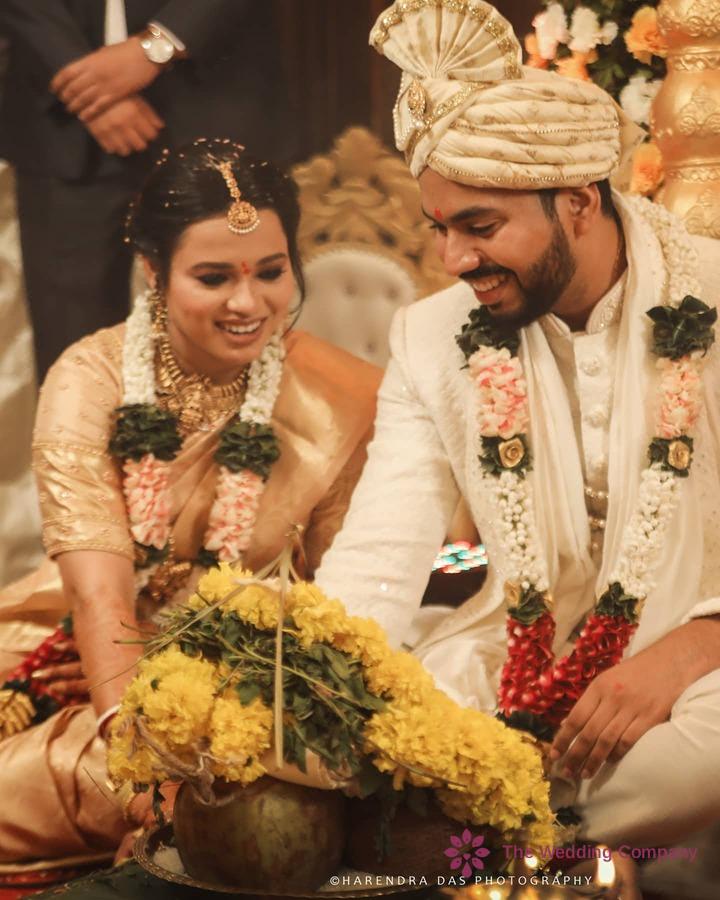
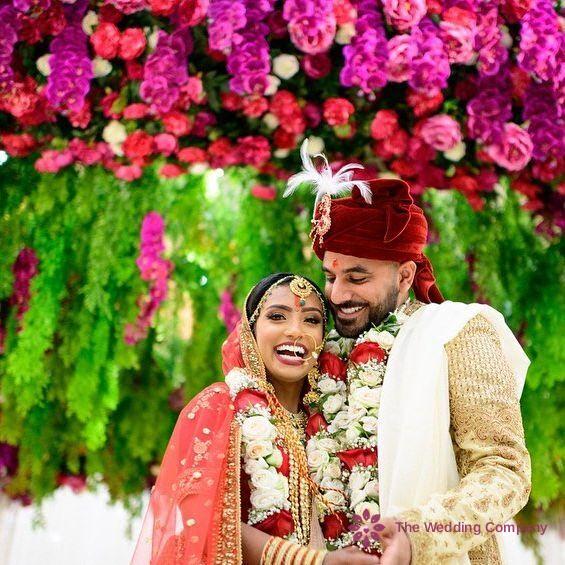
Reflect Your Heritage with the Perfect Groom Turban
Wedding outfits for grooms are incomplete without the right accessories and one such accessory for the groom is the turbans. Groom turbans, also known as pagris or safas, are more than headwear in many cultures. They're steeped in tradition, symbolism, and personal expression, making them a crucial part of the groom's attire on his wedding day.
In Indian weddings, turbans or Safa for the groom hold immense cultural significance. Different regions or communities have their styles and techniques, each carrying specific meanings. For example, the Rajasthani groom Pagdi for weddings signifies royalty and valour, while the Safa for the groom is associated with simplicity and elegance. In Sikhism, the turban called a dastar, is an integral part of religious identity and represents courage, wisdom, and piety. Grooms often wear a distinctive Dulha Safa or Peshawari Dastar on their wedding day. Groom turbans are also popular in various other cultures across the globe, including some African and Middle Eastern countries. Each region adds its unique touch, making the turban a diverse and dynamic cultural symbol.
The groom's turban is a rich element of wedding attire, showcasing cultural heritage, family ties, and individual preferences and style. It's a beautiful example of tradition blending with personal style, making every groom's wedding look truly special. Check out the different styles of groom turbans in the ideabook to find the perfect one for your wedding.